
Skip to main content Skip to footer
← All six problems

04 · No-shows

Table of six never showed. And you turned away walk-ins.

If you've held off on deposits because you think they cost you bookings, there's a way to protect the table without asking anyone for money.

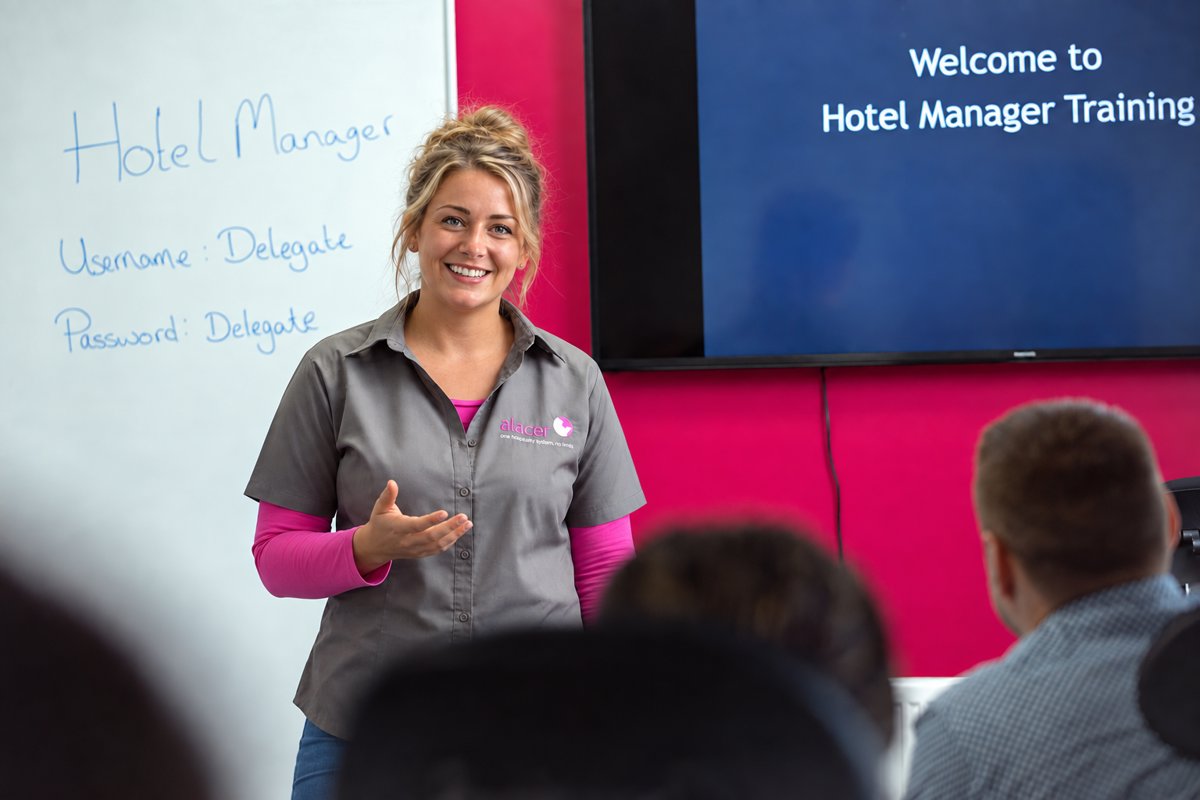
Alacer trainer leading a Hotel Manager training session

A table of six that doesn't turn up isn't one empty table

It's the walk-ins you sent away to hold it, the food you prepped, and the section you staffed.

Alacer gives you a few ways to stop that happening.

  1. Remind them. Alacer emails them a few hours before. Keep it friendly, “Looking forward to seeing you”, rather than telling them to let you know if they can't make it. One of those reminds them to come. The other reminds them they could cancel.
  2. Take their card. Don't charge it. They put their card in when they book. No money comes out of their account. But once someone's handed over a card, they tend to turn up.
  3. Or ask for money up front. You choose how much. A set amount each, a share of the bill, or nothing at all. They pay the rest on the day, and they can still split the bill however they like.
  4. Pick who you ask. Not every table needs a card or a deposit. One rule for bookings made on your website, another for bookings taken over the phone, and leave your regulars alone. Alacer shows you who they are, along with anyone who's cancelled on you before.

Book a call. Tell us what your no-show rate looks like and we'll say if this helps.

Book a call ↓

“From splitting bills between multiple bedrooms to insisting that guests must book a table before booking a bedroom. Alacer does things that no other systems can.”

Jason Davidson, The Champany Inn

Frequently asked questions

Straight answers before you book

What is a restaurant deposit policy?

A restaurant deposit policy is the rule you set for what a guest pays, or commits, when they book a table.

It can be money up front, either a fixed amount per head or a share of the bill. It can be card details held and never charged. Or it can be nothing, which is still a policy.

It doesn't have to be the same for everyone. You can set one rule for bookings taken on your website and another for bookings taken over the phone, and leave your regulars out of it entirely. Whatever you set, the guest sees the terms before they confirm.

Should a restaurant take deposits?

It depends how much you'd rather have the booking than the protection.

Some operators find no-shows almost disappear on large parties and peak dates once they ask for something. Others find bookings drop off as soon as a card is required. Both happen, so it isn't a free decision.

The middle option is holding card details and taking no money. The guest commits, nothing leaves their account, and whoever booked isn't left chasing five friends for their share of a deposit before anyone's eaten.

How do you stop no-shows in a restaurant?

Four things, in order of how much you're asking of the guest.

Send a reminder a few hours before. Some people just forget, and that's the cheapest one to fix. Word it as looking forward to seeing them, not as a prompt to let you know if they can't make it.

Take card details and don't charge them. People turn up once they've handed something over.

Take a deposit instead if you'd rather. A set amount each or a share of the bill, with the rest paid on the day.

And choose who gets asked. Not every table needs it, and your regulars almost certainly don't.

Can you hold a card against a booking without charging it?

Yes. The card details are stored against the booking and no money moves.

The guest enters their card when they book. Nothing is taken. If they turn up, nothing happens at all and they never think about it again.

It's the lightest thing you can do. Nobody's out of pocket, there's no deposit to split between a party, and nobody has to have the awkward conversation at the door.

Book a demo

Let's fix the one that's costing you most.

Leave your details and we'll show you how it works in a venue like yours.

A member of the Alacer team on a call with a customer

Cookie Notice

Find out more about how this website uses cookies to enhance your browsing experience.